HomeCostGuide

Bathroom remodel guide

How much does a bathroom remodel cost?

Use this guide to understand the main cost drivers for bathroom renovations, compare finish levels, and prepare a budget before you request quotes or buy fixtures.

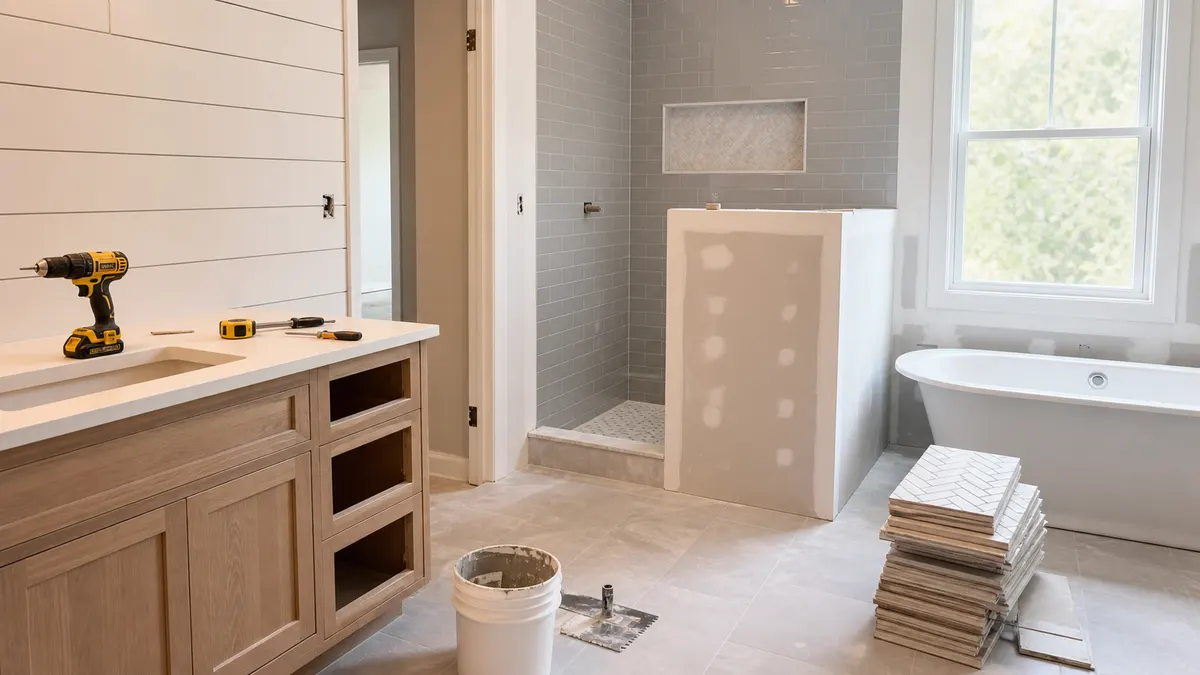
Bathroom remodel materials with tile, vanity, and fixtures in a clean renovation space

Quick planning action

Estimate costs with the free calculator

Open bathroom calculator

The calculator helps you translate size, finish level, tile scope, and fixture choices into a planning range. Use this guide to make the estimate more useful when comparing bids.

Bathroom remodel cost drivers

Project size

Small full baths can still cost more per square foot than larger bathrooms because plumbing, fixtures, and tile work are concentrated in a compact space.

Finish level

Budget, mid-range, and upscale finishes change material and labor costs dramatically. Tile, fixtures, cabinets, and countertop choices matter most.

Tile and waterproofing

Shower walls, floors, and wet-area waterproofing add labor and material costs. Complex tile patterns and niche details raise the estimate.

Plumbing and fixtures

Moving plumbing or installing new sinks, toilets, showers, and tubs increases cost. Keeping the existing layout is usually cheaper.

Planning steps

How to plan a bathroom remodel budget

  1. 1

    Measure the room and note whether the layout, plumbing locations, shower, tub, vanity, or toilet will change.

  2. 2

    Choose a finish level for tile, fixtures, lighting, vanity, countertop, ventilation, and storage before comparing quotes.

  3. 3

    Separate must-have repairs from optional upgrades so hidden water damage or code work does not crowd out the core budget.

  4. 4

    Ask each contractor to quote the same demolition, waterproofing, fixture, tile, permit, cleanup, and warranty scope.

How to turn a bathroom estimate into a real project plan

A bathroom remodel quote is easier to compare when you separate layout, waterproofing, finish choices, and hidden repair risk before anyone prices the job.

Document the existing bathroom

Walk the room before choosing finishes. A simple room record helps contractors price the same work instead of making different assumptions.

  • Measure the room, vanity, tub or shower, toilet area, doorway, ceiling height, and any awkward corners.
  • Take photos of plumbing walls, ventilation, electrical outlets, flooring transitions, and signs of moisture damage.
  • Decide whether the layout stays the same or whether plumbing, drains, lighting, or ventilation may move.

Separate finish choices from repair work

Pretty materials are only one part of the budget. Prep, waterproofing, and repairs can matter just as much.

  • List tile areas, waterproofing method, backer board, niche details, grout type, and shower door expectations.
  • Set allowances for faucet, vanity, mirror, toilet, tub, shower trim, lighting, fan, and accessories.
  • Ask how rotten subfloor, mold, outdated wiring, or poor ventilation will be priced if discovered.

Compare quotes on the same scope

Bathroom bids often look different because one includes details another leaves out.

  • Check whether demolition, haul-away, floor protection, cleanup, permits, and inspections are included.
  • Ask what work is handled by licensed plumbing or electrical trades where required.
  • Request a written change-order process before approving upgrades or hidden repair work.

Cost factors to confirm before you hire

  • Moving drains, supply lines, shower valves, toilets, or exhaust ventilation usually costs more than replacing fixtures in the same locations.
  • Tile layout, waterproofing method, shower door type, vanity size, lighting changes, and subfloor repair can each change the final bid.
  • Older bathrooms may need electrical grounding, GFCI protection, ventilation upgrades, or hidden moisture repair before finishes go in.

Common planning mistakes

  • Choosing tile, vanity, and fixtures before confirming rough plumbing and room dimensions.
  • Comparing one quote that includes waterproofing, permits, and demolition with another that only lists finish installation.
  • Forgetting storage, ventilation, lighting placement, and shower glass clearance until late in the project.

Questions to ask contractors

  • What waterproofing system is included behind tile and how is it inspected before tile installation?
  • Are plumbing, electrical, permits, demolition, haul-away, and final cleanup included in this price?
  • How will hidden subfloor damage, mold, or old plumbing be priced if found after demolition?

Timing and scheduling note

A simple surface refresh may take a few days, while a full bathroom remodel commonly takes several weeks once materials are ready. Tile, inspections, custom glass, and change orders are the usual schedule drivers.

Related planning pages

Three budgeting rules

  • Set a realistic finish level. Define whether you want budget, mid-range, or upscale materials and fixtures before you compare bids.
  • Keep plumbing locations. Moving sinks, toilets, tubs, or showers often adds more cost than changing surface materials.
  • Build in contingency. Reserve 10–20% for hidden costs like water damage, electrical upgrades, permit fees, and fixture changes.

What to ask contractors

What is included in demolition, disposal, and cleanup?

Do you handle waterproofing and tile substrate preparation?

Are fixtures, lighting, and ventilation part of the quoted scope?

What is the expected timeline and payment schedule?

Bathroom remodel FAQs

How much does a small bathroom remodel usually cost?

Smaller bathrooms can still cost several thousand dollars because plumbing, fixtures, tile, and waterproofing are required. Per-square-foot costs are typically higher than larger rooms.

Should I replace the tub, shower, or both?

Deciding depends on your existing layout, desired finish level, and budget. Keeping the same rough-in location usually saves money. Replacing both increases fixture and plumbing costs.

What hidden costs should I expect?

Common surprises include water damage behind walls, old floor repairs, added ventilation or electrical work, permit fees, and changes to fixture styles or tile patterns.

Why this guide matters

Bathroom remodels combine many trades and materials in a small area. This guide helps you see the main cost factors, prepare a realistic budget, and use the free calculator as a starting point for comparing contractor quotes.