HomeCostGuide

Roofing cost guide

How much does roof replacement cost?

Use this guide to understand roof size, material choices, tear-off, decking repair, flashing, ventilation, and quote details before replacing a roof.

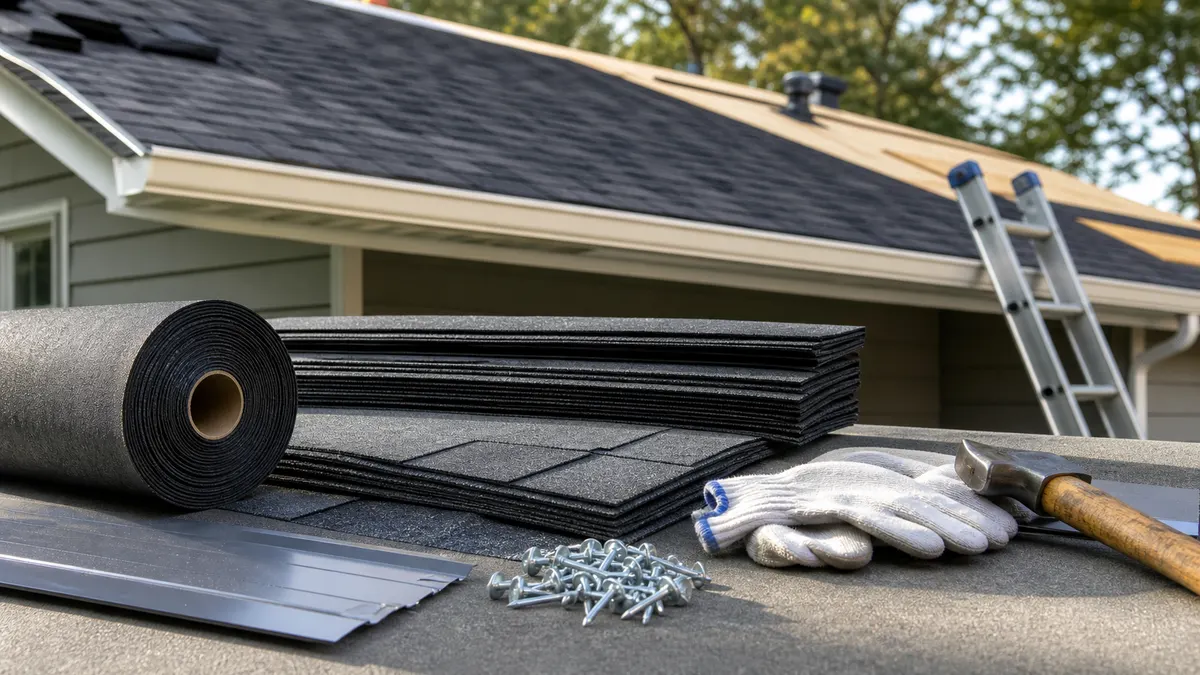
Roofing replacement materials with shingles, underlayment, flashing, nails, and ladder

Quick planning action

Estimate roofing costs with the free calculator

Open roofing calculator

The calculator uses roof size, material, pitch, tear-off, and complexity to create a planning range.

Roof replacement cost drivers

Roof size and pitch

Roofing is often priced by roof area, and steep or complex roofs can increase labor, safety, and waste.

Material choice

Asphalt shingles, architectural shingles, metal, tile, and premium systems have very different installed costs.

Tear-off and decking

Multiple old layers, damaged decking, rot, and hidden repairs can add cost after work begins.

Flashing and ventilation

Valleys, chimneys, skylights, wall flashing, drip edge, underlayment, and attic ventilation are important quote details.

Planning steps

How to plan a roof replacement

  1. 1

    Confirm roof area, pitch, number of existing layers, leaks, decking concerns, skylights, chimneys, and ventilation issues.

  2. 2

    Choose shingle or roofing material type and compare underlayment, flashing, drip edge, ridge cap, and vent details.

  3. 3

    Ask how damaged decking, fascia, ventilation corrections, permits, disposal, and landscaping protection are priced.

  4. 4

    Compare quotes by full roofing system, repair allowances, cleanup, warranty, payment schedule, and project timeline.

How to plan roof replacement before comparing prices

Roof quotes should explain more than shingles. Tear-off, decking, flashing, ventilation, pitch, access, and warranty terms all matter.

Document roof conditions

A roof estimate is more reliable when visible conditions are recorded before tear-off.

  • Note roof age, leaks, missing shingles, soft spots, attic stains, ventilation issues, and gutter problems.
  • Ask whether the quote includes full tear-off, underlayment, ice barrier, drip edge, flashing, ridge vent, and pipe boots.
  • Confirm how many decking sheets are included and how extra decking repair is priced.

Compare warranty and material systems

Roofing products are often sold as systems, not just individual shingles.

  • Ask for shingle type, underlayment type, starter, ridge cap, ventilation product, and manufacturer warranty.
  • Clarify workmanship warranty length and what voids warranty coverage.
  • Compare disposal, magnetic nail cleanup, property protection, and gutter protection.

Plan timing and access

Weather, roof pitch, height, and access can affect labor and schedule.

  • Ask how weather delays, material delivery, driveway access, landscaping protection, and cleanup will be handled.
  • Confirm whether permits, HOA approvals, skylights, chimneys, satellite dishes, or solar equipment affect the quote.
  • Keep photos and final warranty paperwork after completion.

Cost factors to confirm before you hire

  • Roof size, pitch, height, tear-off layers, decking repair, flashing, ventilation, waste, access, and shingle system determine final cost.
  • Skylights, chimneys, valleys, dormers, solar equipment, and steep sections usually add labor.
  • Warranty level depends on both products and installation details, not just the shingle brand.

Common planning mistakes

  • Choosing the lowest bid without checking underlayment, drip edge, ice barrier, flashing, and ventilation.
  • Assuming decking repair is included when the bid only includes a small allowance.
  • Ignoring attic ventilation and water-shedding details around penetrations.

Questions to ask contractors

  • How many layers are removed and how is unexpected decking repair priced?
  • Which underlayment, starter, ridge cap, drip edge, flashing, and ventilation products are included?
  • What workmanship warranty applies, and what cleanup or nail pickup process is used?

Timing and scheduling note

Many asphalt shingle roofs take one to several days after materials arrive, depending on size, weather, pitch, repairs, and inspections.

Related planning pages

Three roofing budgeting rules

  • Compare full roof systems. Look beyond shingles and compare underlayment, flashing, vents, drip edge, starter, ridge cap, and warranty.
  • Plan for decking surprises. Ask how damaged plywood or boards will be priced if discovered during tear-off.
  • Confirm cleanup and protection. Landscaping protection, magnetic nail cleanup, disposal, and permits should be clear in the quote.

What to ask roofing contractors

How many existing layers are included in tear-off?

What underlayment, flashing, ventilation, and ridge materials are included?

How are decking repairs priced if damage is found?

What manufacturer and labor warranties apply?

Roofing cost FAQs

What is a roofing square?

A roofing square is 100 square feet of roof area. Roof area is usually larger than home footprint because of pitch and overhangs.

Does roof replacement include decking repair?

Usually not as a fixed amount. Contractors often price damaged decking separately after tear-off reveals the condition.

Is the cheapest roof quote the best choice?

Not necessarily. Compare materials, flashing, ventilation, warranty, cleanup, and repair allowances before choosing.

Why this guide matters

Roof quotes can vary because contractors include different materials and repair assumptions. A structured scope makes price differences easier to understand.